


六甲山ビジターセンター Mt.Rokko Visitor Center

六甲山の学び

てんきとくらす

YouTubeLIVE

Mountain Report

2026年3月25日

“Mountain Toilet” Etiquette

The Unspoken Essential: A Guide to Rokkosan’s “Mountain Toilet” Etiquette

As the sakura (cherry blossoms) bloom and then fade, the hiking season on Rokkosan kicks into high gear, thousands of people are heading for the trails. But there is a serious issue that comes with 6.5 million annual visitors: The Toilet Situation.


Unlike the city, the mountain has no sewage system, no easy access to water, and no electricity in many spots. To keep our beloved trails beautiful, we need to understand the unique challenges of mountain facilities and follow the “4 Rules of Mountain Toilets.”

1. The Reality: Why It’s “Serious”

Rokkosan’s nature is fragile. Local trailhead posters warn that “the natural world’s processing capacity has limits.” When toilets are misused, it leads to environmental damage and high maintenance costs for the volunteers and city staff who manage them.
2. The 4 Rules of Mountain Toilets

According to the Kobe City guidelines, every hiker should memorize these four rules:

1 Never put anything but waste in the bowl: No trash, no plastic, and no wipes. These cause clogs that are incredibly difficult to fix on a mountain ridge.

2 Check the “How-to” before use: Many mountain toilets use special “Bio-toilet” systems (using sawdust or bacteria) or “Burn-out” systems. Read the specific instructions posted inside each stall.

3 If you make a mess, clean it up: There is no janitor coming by every hour. Leave the space clean for the next hiker.

4 The “Tissue” Rule: Mountain toilets often run out of paper. Always carry your own. Be prepared to put your used tissue in a plastic bag and carry it home with you if the specific facility cannot process paper.
3. Strategy: Plan Your “Pit Stops”

The best way to respect the mountain is to not use the mountain toilets at all if possible.
  • The Pre-Game: Use the restroom at the train station (Hankyu Rokko, JR Rokkomichi, or Shin-Kobe) before you even touch the trail.
  • The “Support Shops”: Look for the “Kobe Mountain Support Shop” (神戸登山サポート店) stickers. Many local shops near the trailheads allow hikers to use their facilities or offer a space to reorganize your gear.
  • The Mid-Way Rule: If you see a toilet on the way up, use it, even if you don’t feel the urge yet. The toilets at the summits (like the Rokkosan Sanjo area) get extremely crowded.

📍 Key “Pit Stop” Locations on Rokkosan

Planning your “pit stops” is the best way to respect the mountain. Here are the most reliable spots to look for:
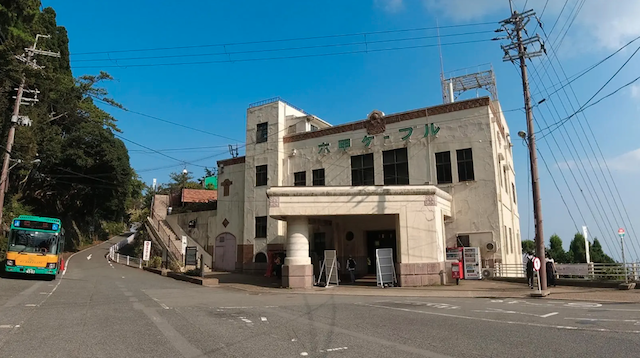
  • Rokkosan Cable Stations (Bottom & Top): These are your primary “anchor” points. It is highly recommended to use the facilities at the Rokkosan Cable Shita Station (bottom) before you begin. Once you reach the top, the Sanjo Station also has well-maintained restrooms.
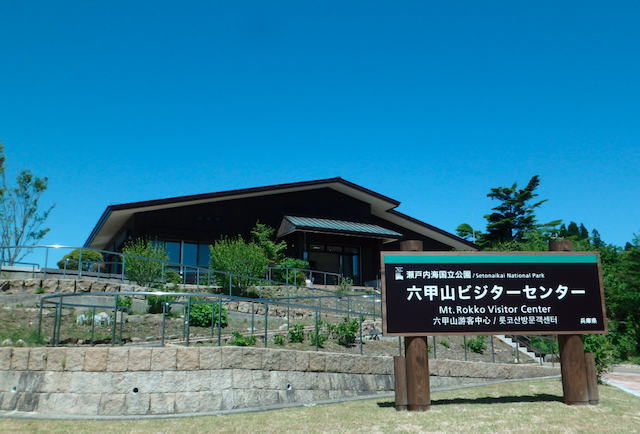
  • The Rokkosan Guide House & Visitor Center: This area is a true “hub” for hikers. There are three separate toilet areas located around the Guide House and the nearby Memorial Monument.
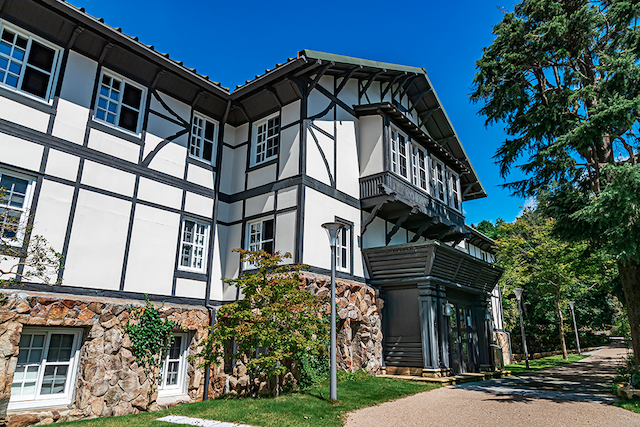
  • Rokkosan Silence Resort: Formerly the historic Rokkosan Hotel, this venue offers beautifully maintained facilities with a more “urban” feel. It’s a great stop when transitioning between the Western and Eastern sections of the range.
  • Rokkosan Garden Terrace: If you are hiking along the ridge, the Garden Terrace offers modern, high-capacity facilities. This is often the busiest spot on the mountain, so expect a short wait during peak weekends.
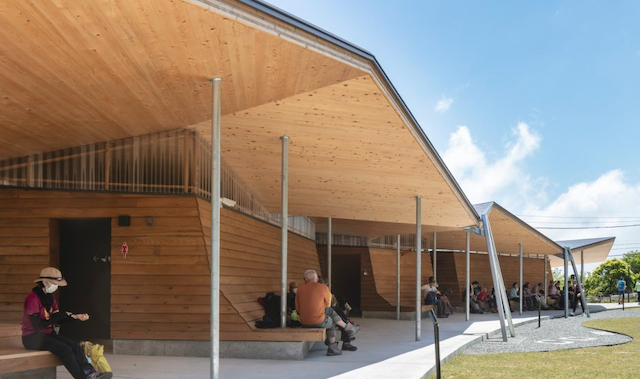
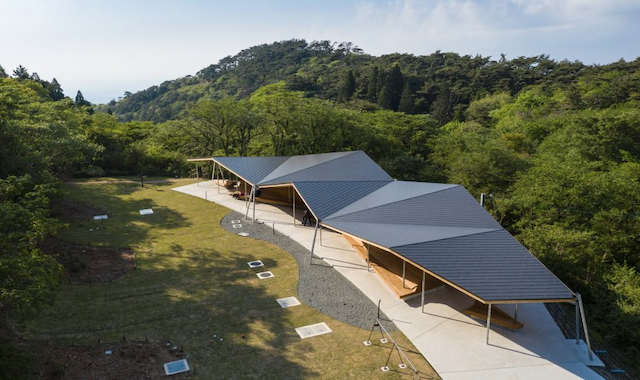
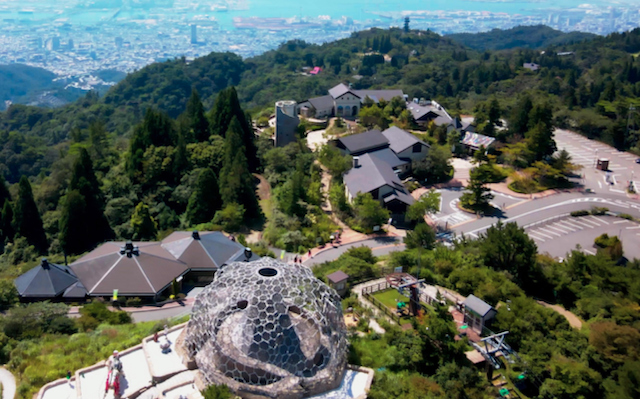
  • The Rokkosan Summit “Designer” Restroom (Built 2020): Located near the highest point of the mountain, this isn’t just a restroom, it’s an architectural landmark.
    Architectural Note: The structure features a thin, folding wooden roof made of CLT (Cross Laminated Timber) that mimics the surrounding mountain ridges. Supported by delicate steel columns, the roofline creates a sharp, sophisticated silhouette. Inside, the ceiling height varies, creating a sense of rhythm and openness. It serves as both a utility and a beautiful rest space with furniture-like benches where hikers can enjoy the atmosphere.

4. The Emergency Kit: The “Portable Toilet”

If you are hiking longer trails (like the Maya to Rokkosan traverse), you should carry a Portable Toilet Bag (Keitai Toilet). * If you must go in the woods: Avoid being near water sources.
  • Pack it out: Use your portable kit and carry it back to the city. Never bury tissues in the ground; the Rokkosan soil doesn’t break them down quickly, and animals often dig them up.

5. Helpful Resources for your Phone

Before you head out, bookmark these two resources found on the local posters:

A Final Thought

Rokkosan is often called Kobe’s “Back Garden.” Let’s treat it with the same respect we would our own homes. A little preparation goes a long way in keeping the trails clean for the next nine years of hiking!


See you on Rokkosan!
最近の投稿

2026年3月10日

今日は冬の装い

2026年2月26日

春めいてきました

過去の投稿