2026年9月26日
Autumn Ancient Trails🥾🍁
A Guide to Hiking Shrine Road (Karato-kodo)
Autumn on Rokkosan brings crisp mountain air, vibrant foliage, and some of the best hiking weather of the year. If you are looking for a trek that combines autumn scenery with a deep sense of history and mystery, the Shrine Road (シュラインロード / Karato-kodo) trail is an absolute must-visit.
Historically known as the Karato-kodo (唐櫃古道) or Gyosha-michi (行者道), this ancient pass was opened around the middle of the Edo period. It served as an essential trade and transport route connecting the coastal area of Kobe to the inland northern districts. Pack cattle trekked up and down these slopes, carrying rice and agricultural goods from the north, and fresh seafood from the Kobe harbor.
However, foreign hikers living in Kobe during the Meiji period fell in love with this quiet, stone-lined path and gave it the English name that stuck: The Shrine Road.
⛩️ The Mysterious Stone Statues (Nobotoke)
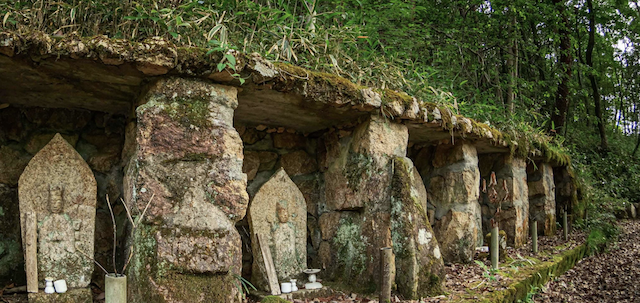
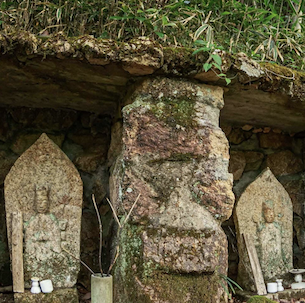
What makes Shrine Road so unique are the stone shrines (hokora) and Buddha statues (nobotoke) nestled silently in small stone alcoves along the trail.
- The Spiritual Origins: At the main Gyosha-do shrine along the trail, early worshippers enshrined En-no-Ozunu (En-no-Gyosha, the founder of Shugendo), along with his legendary demon attendants Zenki and Goki, and Fudo Myoo.
- The 33 Kannon Statues: In 1825 (Bunsei 8), local figures—including sake brewers, mill owners, and fish merchants from Nada, Hyogo, and Miki—erected a series of stone Kannon statues modeled after the famous 33 Pilgrimage sites of Western Japan. They built these statues to pray for safe travels, protection from mountain bandits, business prosperity, and to honor those lost in accidents.
- The Extra Statues: While modeled on 33 sites, there are actually 37 stone Buddhas in total, including 4 extra unnumbered statues (such as Dainichi Nyorai and Zenko-ji statues).
- The “Kutai-butsu” (Group of Nine): During the construction of local driveways and tunnels, nine of the original stone statues were forced to move and are now grouped together under a stone shelter.
Even today, local women from Karato hold an annual cleanup every August around Jizo-bon, placing fresh flowers and water at every single shrine. Thanks to this care, these smiling stone figures continue to warmly watch over hikers passing by.
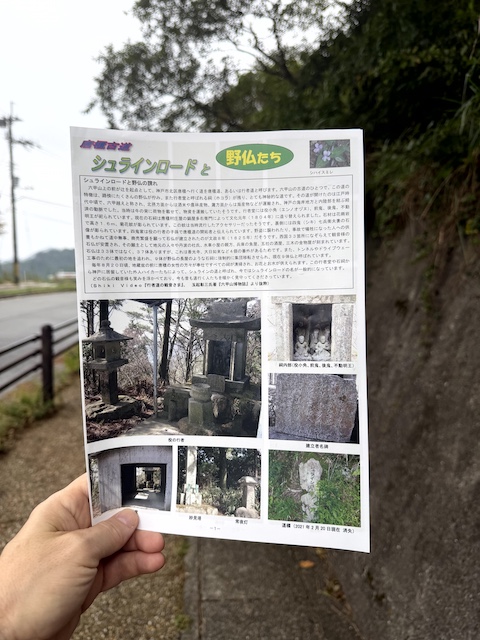
🚉 Extending the Route: The Hike Down to Arimaguchi Station
If you want to turn Shrine Road into a full downhill autumn traverse, keep following the trail northward past the stone Torii gate (Ishi Torii) at the end of Shrine Road.
Continuing north, the mountain paths transition into peaceful, tree-lined forest tracks and gentle paved roads. Along the way down, you can check out local natural and historic highlights:
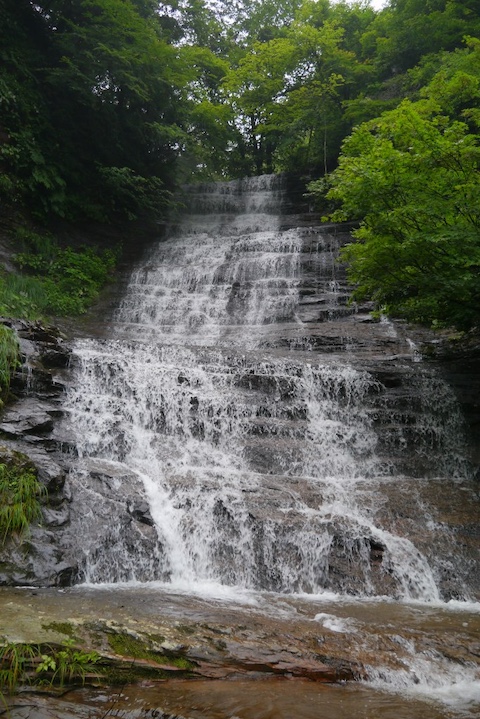
- Inohana Waterfall (猪ノ鼻滝): A refreshing, roaring waterfall near the Inohana Kobashi bridge.
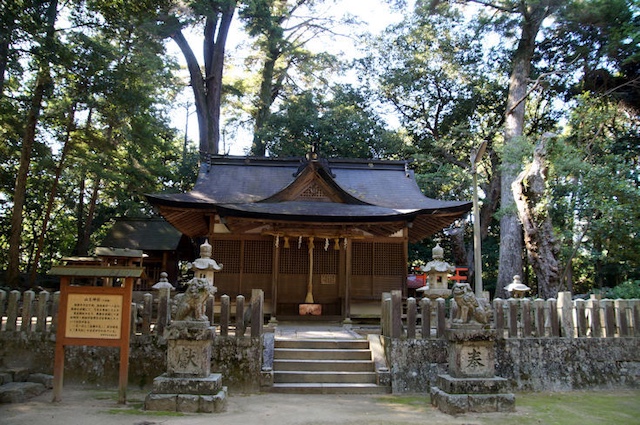
- Shimokarato Sanno Shrine (下唐櫃山王神社): A peaceful local shrine steeped in legend, where military commander Minamoto no Yoshitsune was said to have dedicated a bow and arrow for victory during the Genpei War.
The path eventually leads right into the residential village and finishes at Shintetsu Arimaguchi Station (有馬口駅).
🥾 Recommended Autumn Itinerary:
- Start at the Rokkosan Visitor Center / Guide House at Maegatsuji to pick up your stone statue checklist map.
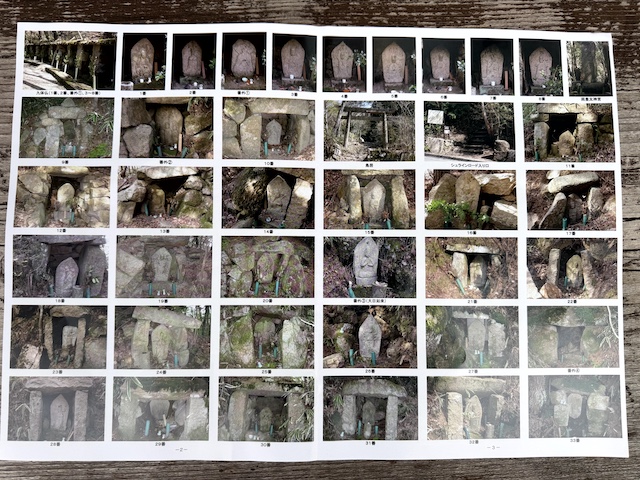
- Hike north down Shrine Road, taking your time to hunt for all 37 stone Buddhas amid the fall leaves.
- Continue north along the forest track past Inohana Waterfall and Shimokarato Sanno Shrine down to Arimaguchi Station (about 2.5 to 3 hours total).
- Hop on the Shintetsu train at Arimaguchi Station to head home or venture over to nearby Arima Onsen for a post-hike hot spring soak! ♨️
💡 Pro-Tips for Your Hike
- Pick up a Guide Map: Stop by the Rokkosan Guide House at Maegatsuji before starting. We have detailed maps listing the location of every single stone Buddha so you won’t miss a thing!
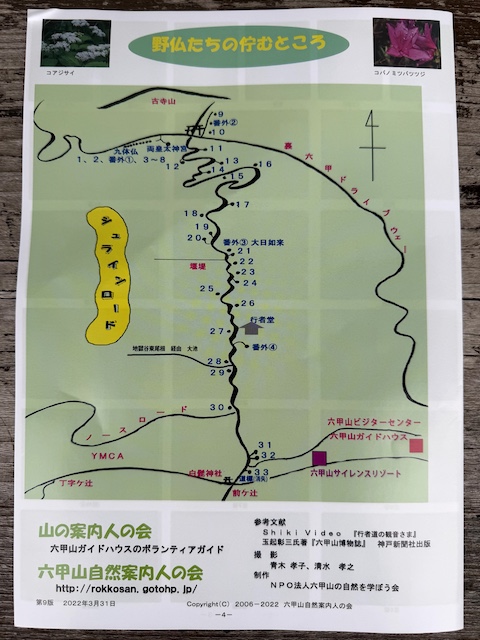
- Combine Your Walk: Shrine Road connects easily with the North Driveway area, making it easy to loop back toward the Rokkosan Visitor Center or head over to the Rokko Garden Terrace for a warm afternoon coffee ☕ if you don’t want to do the full walk down to Arimaguchi Station.
- Bring a Camera: The stone shrines covered in autumn leaves make for hauntingly beautiful photographs 📸.
A Final Thought
Whether you walk a short section around Maegatsuji or hike the full route down to Arimaguchi Station, Shrine Road offers a rare mix of quiet spiritual heritage and stunning autumn nature. Pick up a map at the Guide House, grab your camera, and enjoy step-by-step discoveries on one of Rokkosan’s most enchanting ancient passes! 🥾🍁✨
See you on Rokkosan!