




2026年6月24日
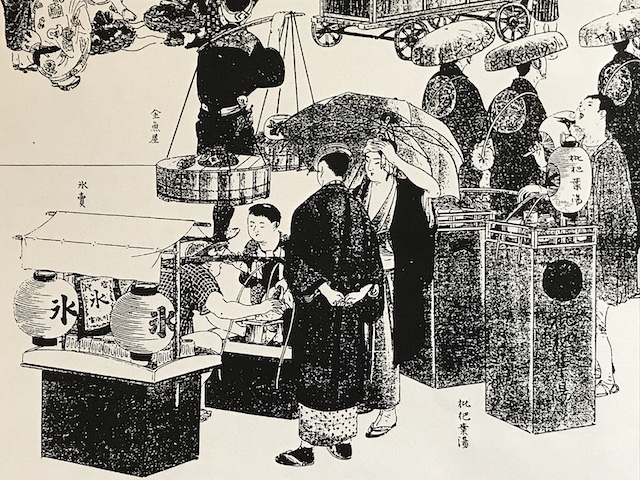
If you’ve ever looked closely at a map of Rokkosan, you might have spotted a trail with a surprisingly cool name: The Ice Road (アイスロード).
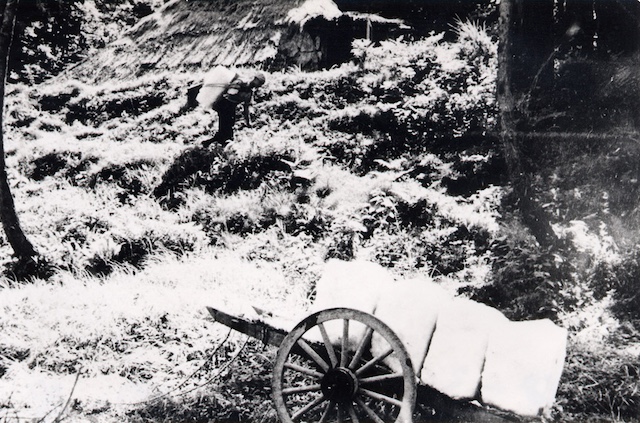
Today, it’s a beautiful, leafy path beloved by weekend hikers. But over a century ago, this trail was a bustling, treacherous nighttime highway for one of Rokkosan’s most lucrative pre-modern industries: the natural ice trade.
Before electric refrigerators existed, natural ice was a highly prized luxury. During the freezing winters of the Meiji and early Showa eras, temperatures on the mountaintop could plummet toward -15c. Local entrepreneurs realized Rokkosan was the perfect natural ice factory.
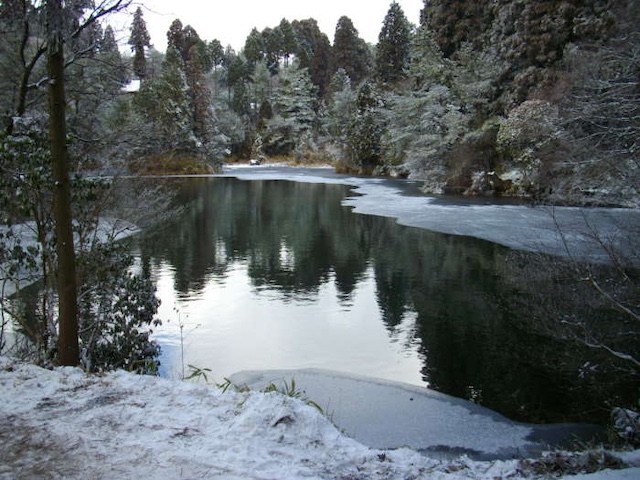
Workers constructed around 30 artificial ponds across the mountaintop valleys specifically to harvest ice.
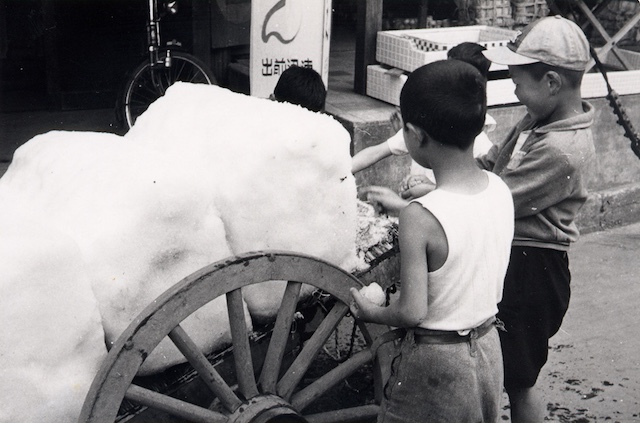
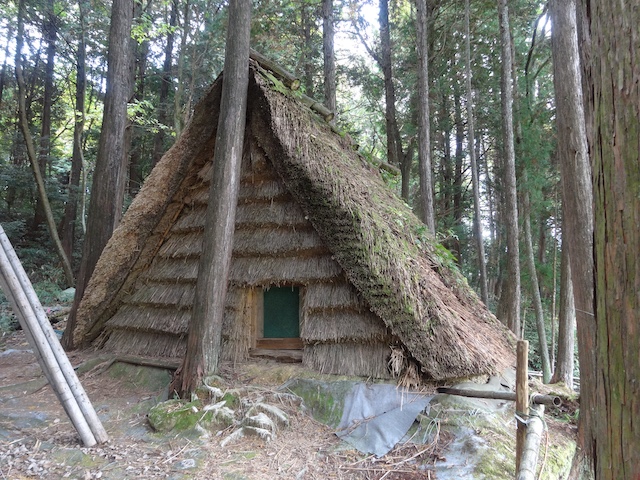
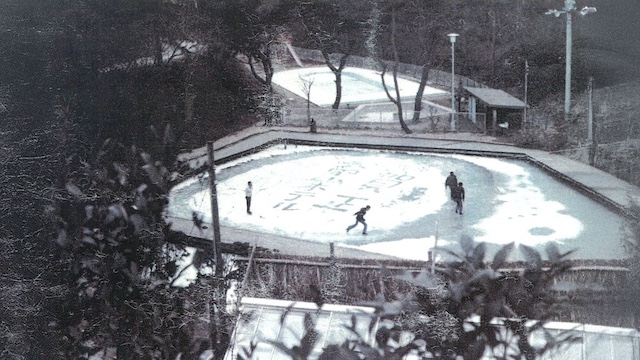
The abundance of these mountain ponds didn’t just fuel Kobe’s restaurants and ships, it also gave birth to a vibrant winter recreation culture.
Long before modern, indoor rinks were built, the frozen ice-harvesting ponds served as natural winter skate rinks. Early mountain residents and daring city visitors would trek up the trails with heavy strap-on skates to spend their winter afternoons gliding across the glassy, frozen surfaces of spots like Mikuni Pond.
While a warming climate means these natural ponds no longer freeze thick enough for public skating today, old postcards from the early 20th century show a magical era of winter fashion and outdoor recreation right on Rokkosan’s high ridges.
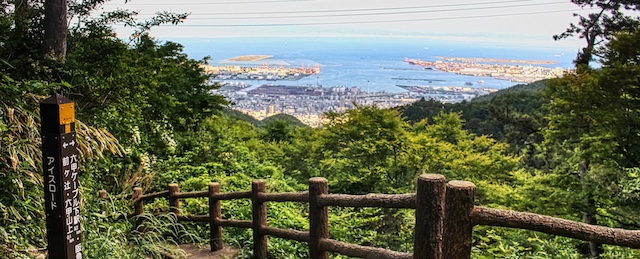
For modern hikers, tracing the steps of the old ice-carters makes for a fantastic seasonal trek.
The “Ice Road” trail begins along the valley stream near the Omote-Rokko Driveway and climbs gently up toward Maegatsuji. It is a wonderfully shaded route that features:
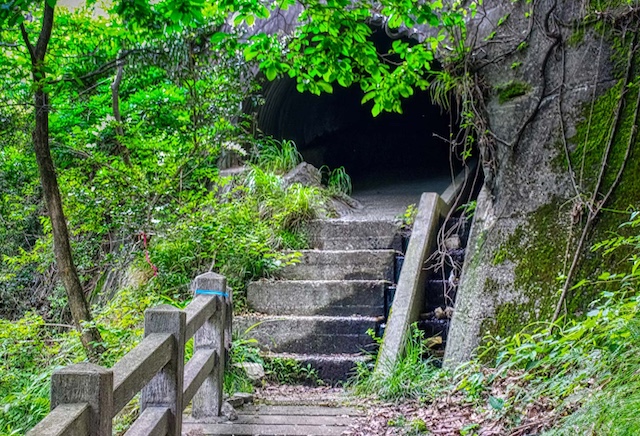
(Pro-tip from the Guide House: Summer hikers should pack some peppermint oil or bug spray, as the humid stream valley attracts quite a few insects! 🦟🧴)
Current “Ice Road” hiking trail Information (Japanese)
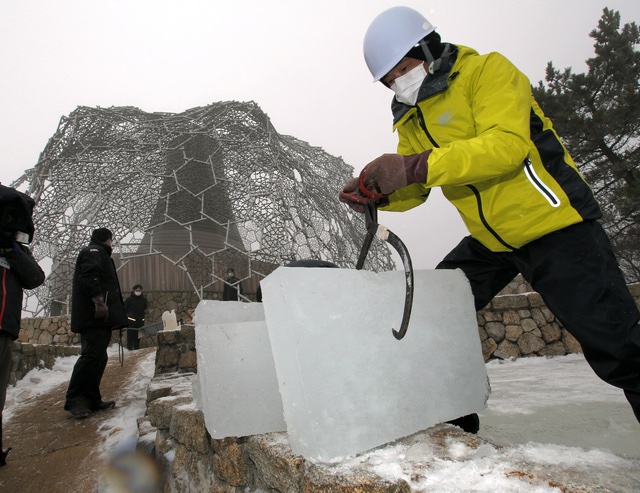
If you think the ice trade is completely a thing of the past, head over to the Rokko-Shidare Observatory at Garden Terrace. Architect Hiroshi Sambuichi explicitly designed this stunning landmark to keep Rokkosan’s ice-harvesting culture alive.
Every winter, the observatory hosts a traditional “Natural Ice Harvesting” (氷の切り出し) event. Rainwater is caught on a wooden frame on the building’s east side. Once frozen solid, the ice is manually sawn into blocks and stored in the building’s underground Himuro (ice house).
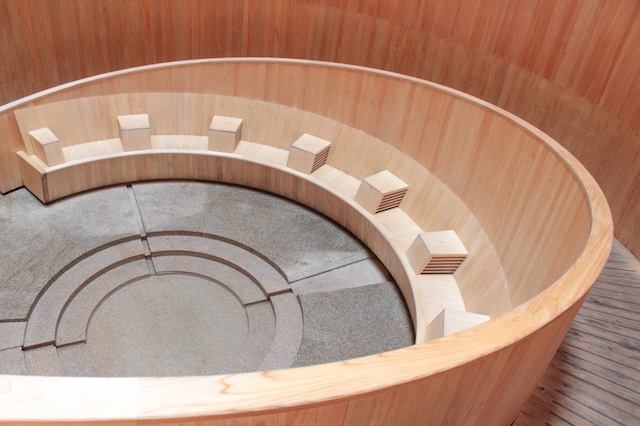
During the hot summer months, the observatory uses no electricity to cool down, instead, it opens up vents to let wind pass over this stored winter ice, creating a completely natural, historic air conditioning experience for visitors!
The next time you walk past a quiet pond on Rokkosan or cool off at the Shidare Observatory, take a moment to look back in time. The very paths we walk for weekend leisure were carved by the sweat and determination of Kobe’s early winter laborers. Let’s keep exploring and preserving these incredible stories for the many years of hiking still to come! 🌿❄️✨
See you on Rokkosan!
2026年10月21日
2026年10月14日
2026年10月6日
2026年10月1日
2026年9月25日
2026年 (84)
2025年 (93)
2024年 (98)
2023年 (108)
2022年 (102)
2021年 (87)
2020年 (68)
2019年 (112)
2018年 (132)
2017年 (77)
2016年 (49)
2015年 (66)